Không thể xác minh yêu cầu AI này. Vui lòng thử lại.Hoàn thành bước xác minh này để tạo nội dung.ẩnhiệnĐóngKhông có phim tài liệu nào phù hợp với các bộ lọc này.{0} phútTất cảHàiTài liệuChính kịchGiả tưởngẨm thực & Văn hóaLịch sửKinh dịThiên nhiên & Động vậtCon người & Công việcTình cảmKhoa học & Tâm tríGiật gânChưa phân loạiẨn hướng dẫnHoàn thànhCách học với video nàyLưu để luyện tậpNhấn + trong bản dịch để lưu từ và ôn lại sau. Không cần tài khoản.Từ của bạn đã được lưu. Làm một bài kiểm tra ngắn, rồi ôn lại các từ đã lưu vào lần truy cập sau.Bắt đầu buổi học đầu tiên →Bắt đầu tại đâyXem video, dịch một từ trong phụ đề và lưu lại để luyện tập sau. Bạn có thể bắt đầu xem mà không cần tài khoản.Một video ngắn. Một từ mới hữu ích.Buổi học đầu tiên của bạnDịch một từBấm phát, rồi nhấp hoặc chạm vào một từ trong phụ đề tiếng Anh để dịch. Chọn ngôn ngữ dịch trong cửa sổ bật lên.Xem 30 giâyTiến độ của bạn được liên kết với trình duyệt này. Xóa dữ liệu trang web có thể khiến bạn mất quyền truy cập.Tiếp tục từ {0}Tiếp tục xemSố từ sẵn sàng ôn tập: {0}Không thể tải buổi học tiếp theo. Vui lòng thử lại.Thử xem một bộ phim ngay. Bạn có thể tạo tài khoản sau.Đang tìm câu chuyện tiếp theo…Câu chuyện tiếp theo của bạnChưa có phim mới phù hợp. Hãy thử trình độ hoặc thể loại khác.Câu chuyện phù hợp với trình độ và sở thíchÔn lại các từ của bạnTạo tài khoản miễn phíTiếp tục từ chỗ bạn đã dừngÔn các từ đã lưuÔn lại những từ bạn đã lưu từ các câu chuyện đã xem.Lưu tiến độ của bạnKhông thể lưu lựa chọn. Vui lòng thử lại.Lựa chọn đã được lưu vào tài khoản của bạn.Xem phim nàyB2–C1 · Nâng caoA1–A2 · Cơ bảnB1–B2 · Trung cấpKhông tìm thấy phim. Hãy thử bộ lọc hoặc cách sắp xếp khác.Không thể tải phim. Vui lòng thử lại.Đang tải thêm phim…Không có ảnh{0} lượt xemXem {0}Từ theo cấp độĐang tải…TiếpTạo tài khoản hoặc đăng nhập để kích hoạt quyền lợi Premium.Nhận hạn mức hằng ngày cao hơn với Premium.Đã đạt giới hạnVui lòng đăng nhập để đăng ký góiĐăng ký góiPhụ đề tự độngTiếng AnhThoát toàn màn hìnhToàn màn hìnhVideo này chưa có phụ đề dịch.Tự độngChọn ngôn ngữ để hiển thị dưới tiếng Anh. Chọn lại để tắt.TắtNgôn ngữ bạn chọn không có sẵn cho video này. Phụ đề tiếng Anh vẫn được bật.Ngôn ngữ phụ đềSo sánh Free và Premium →2,99 €/tháng hoặc 19,99 €/năm, thanh toán hằng năm.Tạo tối đa {0} văn bản AI từ các từ của bạn và {1} hình minh họa truyện mỗi ngày.Tiếp tục học với PremiumNhận thêm lượt dịch mỗi ngày và tạo nhiều văn bản, hình ảnh AI hơn từ các từ của bạn.TrướcTạo tài khoản miễn phí để lưu tiến độ trên nhiều thiết bị.Dùng tất cả các từ trước khi kiểm tra.Câu hỏi trong phần luyện tập: {0} / {1} · Tất cả trình độ.Đáp án đúng: {0}Tìm phim khácKiểm traChọn trình độ rồi bắt đầu bài trắc nghiệm ngắn. Làm lại câu hỏi luôn miễn phí.Hoàn thành bài kiểm traChính xác!Chưa có câu hỏi ở trình độ này. Hãy thử trình độ khác.Không thể lưu câu trả lời. Vui lòng thử lại.Trình độ gợi ý: {0}Lần đầu: {0} / {1}Đọc phụ đề (gợi ý)Chưa đúng. Thử lại nhé.Không thể tải bài kiểm tra.Đang tải bài kiểm tra…Nhập các từ còn thiếu…Xem lại lỗi saiLuyện thêm {0} câuKhông có câu hỏi mới ở trình độ này. Thử trình độ khác hoặc ôn lại các câu hỏi.Chưa có câu hỏi ở trình độ này trong phần luyện tập của bạn. Chọn Tất cả trình độ để ôn lại.Nhấp vào các từ để tạo thành câu.Câu {0} / {1} · Đúng: {2}Câu {0}Xem lại cảnh · {0}Thử lại câu nàyThử lạiTrình độ: {0}Lượt {0}Hoàn thành lượtCâu trả lời mới nhất: đúng {0} / {1}Bắt đầu bài trắc nghiệm {0} câuCâu đáp phù hợp nhấtHiểu nội dung cảnhTừ còn thiếuĐiền vào chỗ trốngNghĩa của từCùng nghĩaThứ tự từLạiChọn Lại để ôn từ này hôm nay. Mở lại phần học từ để ôn từ đó.Đã hoàn thành lượt ôn! Các từ được đánh giá Lại vẫn đến hạn hôm nay. Mở Học từ khi bạn sẵn sàng.DễLưu một từ trong phụ đề hoặc thêm từ của bạn ở trên để bắt đầu luyện tập.KhóKhông thể tải từ của bạn. Hãy thử mở Học từ lần nữa.Đang chuẩn bị từ của bạn…VừaLần ôn tiếp theoHiện không có từ nào đến hạn. Hãy quay lại sau hoặc lưu một từ mới để luyện tập.Không thể lưu đánh giá. Vui lòng thử lại.Học từHôm nayKhông thể cập nhật tổng số từ. Hãy mở lại phần tổng kết buổi xem.Tạo tài khoản miễn phí để lưu từ và theo dõi tiến độ.Số phút đã xem: {0}Luyện tập với bài kiểm tra của phim nàyĐang lưu từ vựng…Buổi xem phim của bạnXem từ vựng của bạnSố từ mới gặp: {0}Luyện lạiÂm thanh không khả dụng trong trình duyệt này.Khám phá bộ từ vựng theo chủ đềKiểm tra đáp ánTiếng Anh hằng ngày{0} từ và cụm từ · {1} chủ đềGiỏi lắm!Từ tiếng Anh nào phù hợp?Hiện đáp ánNhập từ tiếng AnhHoàn thành lượt!Thẻ từHiện nghĩaĐoán từTiến độ được lưu cho trình duyệt này. Đăng nhập để giữ tiến độ trên các thiết bị; xóa dữ liệu trang có thể làm mất quyền truy cập.Hiện một chữ cáiGợi ý chữ cái: {0}Luyện một chút tiếng Anh hằng ngày. Chọn chủ đề và thử nhớ lại từ.Bật JavaScript để luyện các bộ từ vựng này.Nâng caoTất cả trình độSơ cấpTrung cấpĐộ khóĐộ khó gợi ý; từng từ và video có thể dễ hơn hoặc khó hơn.NgheKhông thể tải bộ từ vựng. Vui lòng thử lại.Chế độ luyện tậpTừ tiếp theo →Lượt tiếp theoChủ đề tiếp theo →Thẻ {0} / {1}Luyện từ vựngĐã luyện: {0} / {1}Số từ khác nhau đã luyện trong chủ đề nàyTiến độ đếm các từ khác nhau đã luyện. Gợi ý và đáp án được mở tính là luyện tập, không phải tự nhớ lại.Bạn có nhớ nghĩa không?Tôi nhớLuyện lại chủ đề nàyThử lạiQuay lại sau để kiểm tra những gì bạn nhớ. Đã luyện không có nghĩa là đã thành thạo.Đọc đáp án và ví dụ. Bạn có thể lưu từ này để ôn tập.Số từ mỗi lượtLưu để ôn tậpKhông thể lưu. Vui lòng thử lại.Đã lưu ✓Đã thêm vào Từ đã lưu với nghĩa tiếng Anh và ví dụ.Đã đánh dấu nhớ {0} trên {1} từ trong lượt này.Nhớ lại {0} trên {1} từ mà không dùng gợi ý hoặc thử lại trong lượt này.Bộ từ vựngHoạt động hằng ngàyĐộng vật và thế giới hoang dãThiên nhiên và môi trườngGia đình và con ngườiCảm xúc và tính cáchĐồ ăn và thức uốngSức khỏe và cơ thểNhà và cuộc sống hằng ngàyÝ kiến và quyết địnhCụm động từ thông dụngCác mối quan hệ và hội thoạiTrường học và học tậpKhoa học và vũ trụMua sắm và tiền bạcTin tức và xã hộiPhim và nghệ thuật kể chuyệnCông nghệ và internetDu lịch và giao thôngThời tiết và các mùaCông việc và nghề nghiệpChọn chủ đềTiếp tục học với video liên quan đến chủ đề này.Luyện tập rồi xem videoĐúng, với một chút trợ giúp. Hãy thử nhớ lại sau.Chưa đúng. Thử lại, mở một chữ cái hoặc xem đáp án.Bản ghi bài kiểm tra LearnMovies với các đáp án và phản hồiBản ghi thao tác dịch phụ đề và lưu từ trong LearnMoviesKiểm tra mức độ hiểu của bạn bằng các câu hỏi về phim.Nhấn + trong bản dịch để lưu từ và ôn lại sau. Không cần tài khoản.Tạm dừng minh họaTạm dừng ảnh động minh họaMinh họa sản phẩm đã tạm dừngPhát minh họaPhát ảnh động minh họaTừ vựng cơ bản · Phụ đề tiếng AnhHiện tất cả các bướcTạm dừng hướng dẫnPhát hướng dẫnBước {0} trên {1}Chính xác.Chưa đúng.Đúng {0} trên {1} câu.Continue to Saved WordsThat word is already saved. Choose another word from the text for this tour.Check answerClose tourTour completeContinue to reviewTiếp tục đọcCảnh này đã tạm dừng. Di chuột hoặc chạm vào “worried” hay bất kỳ từ nào trong phụ đề. Chọn ngôn ngữ dịch nếu được yêu cầu.Thử bản demo có hướng dẫn1 · Thử một từDoneRead, translate, save and review. Use word packs or AI texts whenever you want more practice with your words.You have a learning routineWelcome bonus earned: +50 XP, plus your review XP.Could not start the tour. Try again.Finish tourContinue on the practice pageTry a short guided reading exercise.Learn your first wordMaybe laterOpen Saved Words to try recalling its meaning. We will put your new word first in the review queue.Open Saved Words →Your word is savedOptional · AI practiceOptional · Quick questionGet a word pack with example sentences and a dialogue. A new pack uses your daily allowance; an existing pack can be opened again. You can skip this step.Read how the word is used in sentences and a dialogue. You can also open the exercises. Continue when you are ready to rate your recall.Explore the examplesSee your word in contextTry one question about the text. A correct first attempt earns +10 XP. You can skip it and still complete the tour.Try one questionRead the explanation, then continue to practise your saved word.Learn from the answerCheck what you understoodChoose Again, Hard, Medium or Easy honestly. The times show when you will review it again. Every rating earns the same review XP.How well did you remember?Read a few lines. Click a word you would like to learn; the highlighted word is a suggestion. Choose your translation language if asked.Read, then choose a wordResume tourWhat does this word mean? Think of the answer, then reveal the translation to check yourself.Try to remember firstComplete this saved-word review for a one-time +50 XP welcome bonus—enough to reach Level 2.Read the translation, then press Save to practise. It will keep the word and its sentence in Saved Words.Keep this wordShow me howSkip AI stepSkip questionSkip tourTake a quick tour3 · Practise1 · Read2 · Save1 · WatchPress Study words. Your saved word comes first.Start a real reviewWatch a short scene, then hover over or tap an English subtitle word to translate it. If no words appear, use the subtitle menu to turn on English. Choose your translation language if asked.Try a subtitle wordChoose your words, level, topic and format, then press Generate my text. This uses your daily text allowance. A selected picture also uses your picture allowance. Nothing is generated until you press the button.You have completed a real word review. Now you can create an AI text from your saved words, or finish the tour here.Create something with your wordsMake a text you want to readWatch, translate, save and review. Use word packs or AI texts whenever you want more practice with your words.Read the translation, then press the + button in the popup. This saves the word and its subtitle sentence for practice.Press Watch now, or choose an episode. If the player is already open, press its play button. You stay on this video throughout the first steps.Start a videoXem videoKhông thể xác minh yêu cầu dịch. Vui lòng thử lại.Hoàn tất bước xác minh này để dịch.Để sauChọn ngôn ngữDùng ngôn ngữ này để dịch từ và tự động chọn phụ đề thứ hai khi có sẵn.Ngôn ngữ dịchBạn có thể đổi sau. Ngôn ngữ trang web vẫn giữ nguyên.Lưu lựa chọnBạn muốn xem bản dịch bằng ngôn ngữ nào?Ngôn ngữ trang webChưa có từ ở trình độ này. Hãy xem video hoặc đọc văn bản trong thư viện.Số lần gặp: {0} · Phim / tập: {1}Không thể lưu hoặc tải từ vựng. Vui lòng thử lại.Ước tính {0}Trình độ đề xuất dựa trên cách sử dụng; chưa được xác minh riêng trong nguồn tham chiếu CEFR.Thường gặpẨn bản dịchTôi biết từ nàyTôi biết từ này: {0}{0}: {1} đã gặp, {2} thường gặp, {3} đã nhớ trong {4} từ của danh sách. Xem từ.{0} · Đã tải trang {1} / {2}.Đang tải các lần gặp…Đang tải bản dịch…Đang tải từ…Đã đánh dấu {0} là đã nhớ.Tải thêm lần gặpChưa có lần gặp nào.Mở từ đã lưu →Trang {0}Đoạn {0} · {1}Nghe phát âm{0}–{1} trong {2} từ · Trang {3} / {4}Đọc {0} trong {1}, đoạn {2}Đã nhớThử tải lại các lần gặpThử dịch lạiKhông thể lưu từ này. Vui lòng thử lại.Lưu để luyện tậpĐã lưu tiến độ.Đã lưu để luyện tậpTìm ngôn ngữChọn ngôn ngữPhiên đăng nhập đã hết hạn. Đăng nhập lại để xem từ vựng.Hiện bản dịchLần gặp: {0} · Video / văn bản: {1}Hành trình từ vựng bắt đầu từ video hoặc văn bản tiếp theo.Hiện bản dịch của {0}Không thể tải bản dịch. Vui lòng thử lại.Bạn đã đạt giới hạn dịch trong ngày. Hãy thử lại vào ngày mai.Hôm nay còn {0} trên {1} lượt dịchHoàn tácBỏ đánh dấu đã nhớ cho {0}Đã bỏ đánh dấu đã nhớ cho {0}.Xem từ {0} trong {1} tại {2}Từ của bạnThêm từNhập một từ tiếng Anh. Chúng tôi sẽ dịch sang ngôn ngữ bạn chọn; bạn có thể sửa bản dịch.Thay đổiThêm một từ tiếng Anh, bản dịch hoặc nghĩa và câu ví dụ nếu muốn.Ngôn ngữ bản dịchCâu ví dụ (không bắt buộc)Bản dịch hoặc nghĩaTừ tiếng AnhĐã mở khóa tất cả hình đại diện!Đạo diễnBỏng ngô vui vẻHạt nhỏMê phimMọt sáchVừa nởChọn hình đại diệnThưởng hằng ngày +15Đã nhận thưởng hằng ngày · +15 XPChọn hình đại diệnĐóng{0}/5 hoạt động · thưởng hằng ngày +15 XP+{0} XPKhông thể cập nhật tiến độ. Vui lòng thử lại.Miễn phí cho mọi người. Premium không tăng XP.Cấp {0}Bạn đã đạt cấp {0}!Mở khóa ở cấp {0}Cấp độ hoạt động ghi nhận việc luyện tập. Chúng tách biệt với trình độ tiếng Anh A1–C2.Hình tiếp theo: {0} · Cấp {1}Lần ôn tập có XP tiếp theo: {0}Tiến độ đến cấp độ hoạt động tiếp theoCòn {0} XP đến cấp {1}Mỗi câu hỏi chỉ cho XP một lần. Từ vựng lại cho XP khi đến hạn ôn; ôn lại trong cùng ngày không có thêm điểm. Thêm từ, đánh dấu đã biết và tạo nội dung AI không cho XP.Hoàn thành năm hoạt động khác nhau mỗi ngày: +15 XP. Ngày mới bắt đầu lúc nửa đêm UTC.Đoán đúng từ: +10 XP, hoặc +5 nếu dùng gợi ý chữ cái.Trả lời đúng câu hỏi video hoặc truyện ngay lần đầu: +10 XP.Ôn thẻ đến hạn: +3 XP cho mọi đánh giá, kể cả Lại lần nữa. Hãy đánh giá trung thực.Cách nhận XPĐã chọnHành trình bỏng ngô của bạnTổng {0} XPĐọc lạiCân bằng · 95%Đang tạo bài đọc hoặc góp ý. Vui lòng chờ.Thử thách · 90%Nhận góp ýTạo câu chuyện với từ của tôiChủ đề riêngTỷ lệ tùy chỉnhXóaXóa bài này và lịch sử đọc? Lượt tạo hằng ngày sẽ không được hoàn lại.Đã xóa bài đọc.Hội thoạiQuá dễCâu chuyện đầu tiên sẽ xuất hiện ở đây.Không thể hoàn thành yêu cầu. Kiểm tra kết nối và cài đặt rồi thử lại.Ước tính từ các từ đã nhớ và từ vựng ở cấp độ mục tiêu. Đã gặp không có nghĩa là đã biết. Tỷ lệ thực tế có thể khác yêu cầu.Cuộc sống hằng ngàyTỷ lệ từ quen thuộc ước tínhCâu trả lời sẽ điều chỉnh tỷ lệ từ quen thuộc trong bài tiếp theo.Đã lưu. Bài tiếp theo sẽ dùng cài đặt từ vựng mới.Dạng bàiTạo bài đọcĐang tạo bài đọc hoặc góp ý…Tạo nội dung thất bại. Lượt tạo thành công chưa bị trừ. Hãy thử tạo lại.Quá khóBài đọc này thế nào?Thêm hình minh họaHôm nay còn {0} trên tổng số {1} lượt tạo hình. Văn bản sẽ sẵn sàng trước.Hình minh họa cho {0}Hình minh họa do AI tạo · được lưu cùng truyệnKiểm tra hìnhKhông thể tạo hình. Truyện của bạn đã được lưu và sẵn sàng để đọc.Hôm nay không còn lượt tạo hình. Bạn vẫn có thể đọc và tạo văn bản.Không tải được hình đã lưu. Vui lòng thử lại.Đang tạo hình… Bạn có thể đọc và dịch từ trong lúc chờ.Thử tạo hình lạiTính năng tạo hình tạm thời không khả dụng. Bạn vẫn có thể tạo văn bản.Thêm hình minh họaBiến từ vựng trong video thành câu chuyện của riêng bạn.Độ dàiCấp độ mục tiêuBài đọc đã lưuBạn đã hết lượt tạo hôm nay. Bạn vẫn có thể đọc lại các bài đã lưu.Dài · khoảng 400 từThêm từng từ tiếng Anh một. Bạn cũng có thể sửa các từ đã chọn ở trên.Nhập một từ tiếng Anh dài tối đa 48 chữ cái; có thể dùng dấu nháy đơn hoặc gạch nối.Tôi đã đọc phần nàyVừa · khoảng 200 từHầu hết quen thuộc · 98%Thiên nhiênTiếpBài đọc không có sẵn hoặc đã bị xóa.Tùy chọn khácGợi ý khácThử dùng một từCòn {0} lượt kiểm tra câu hôm nayTừ vựng để luyện tậpTrướcĐược lưu trong thư viện riêng. Đây là truyện hư cấu do AI tạo; cấp độ và mức độ quen thuộc của từ vựng chỉ là ước tính.Đã đọc {0} trong {1} phầnCòn {0} trong {1} lượt tạo bài đọc hôm nayHãy đọc và đánh dấu phần chứa từ này trước.Từ video của tôiVừa sứcĐã lưu vào thư viện riêng.Chưa có từ đã lưu để luyện tập. Thêm ở Từ đã lưu hoặc nhập ở trên.Hiển thị từ đã lưu ở mọi trình độ, trừ các từ được đánh dấu là đã biết rõ trong Từ đã lưu. Trình độ bạn chọn quyết định độ khó của bài đọc.Khoa họcĐã đọc phần nàyViết câu của riêng bạnPhiên đăng nhập đã hết hạn. Hãy đăng nhập lại.Ngắn · khoảng 100 từTừ bài đọc của bạnĐã lưu để luyện tậpĐã gặp khi xem hoặc đọcGợi ý cho cấp độ này{0} bài đã lưu · {1} bài hoàn thành · {2} từ đã gặp khi đọcCâu chuyệnCấp độ {0} · {1} từ · từ quen thuộc ước tính {2}% (yêu cầu {3}%)Bài đọc của tôiChủ đềDịch {0}Chọn một từ để dịch hoặc lưu. Đánh dấu từng phần sau khi đọc để lưu tiến độ.Du lịchChưa có trình độĐã thêm {0} vào các từ đã chọn.Chọn tối đa 8 từ tiếng Anh, cách nhau bằng dấu phẩy. Mỗi mục chỉ gồm một từ.Chọn gợi ý hoặc thay bằng từ khác. Ưu tiên từ đã lưu; từ từng gặp trong video có thể đã quen thuộc với bạn.Từ để luyện tập · tối đa 8 từ, cách nhau bằng dấu phẩy
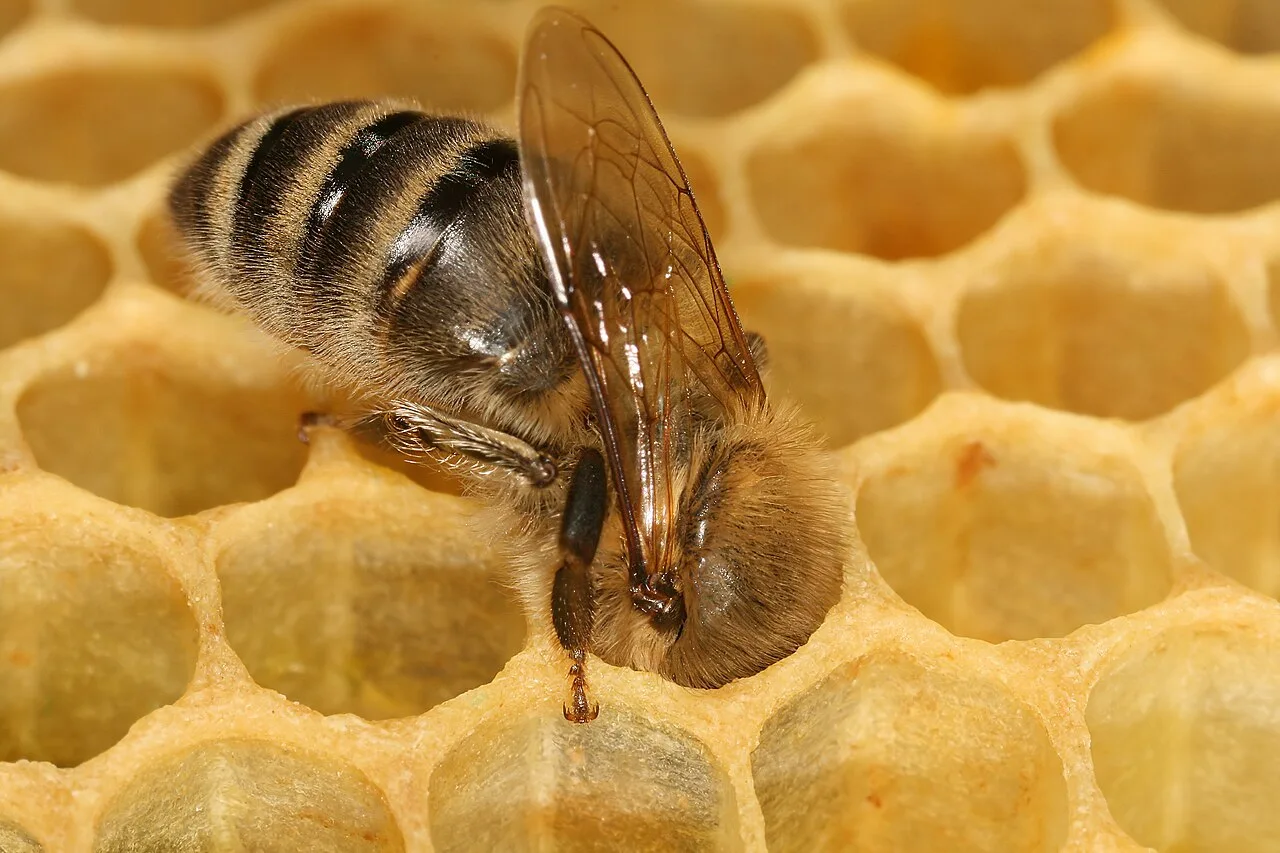
How can a bee give directions without speaking? After finding food, a honeybee returns to its hive and can perform a waggle dance. Its movements tell other bees where to go.
Inside the hive, the bee moves forward while shaking its body from side to side. This straight part of the dance is called the waggle run. The bee then circles back and repeats the movement, returning on the other side.
The angle of the waggle run shows the direction of the food compared with the position of the Sun. On the vertical honeycomb, a run straight upwards means the food is towards the Sun. The longer each waggle run lasts, the farther away the food is.
A dance with two messages
Waggle runShake, move forward, circle back.
Dance path inside the hive
Direction
The angle shows which way to fly, using the Sun as a guide.
Straight up on the comb → towards the Sun outside.
Distance
The time spent on each waggle run shows how far to fly.
More time waggling → a longer journey.
The orange line shows the waggle run. The grey loops bring the bee back to the start. This simplified example shows a dance on a vertical honeycomb.
Researchers at the University of Sussex study these dances using video recordings. By measuring the angle and timing each waggle run, they can work out where the bees have found food. The dances help them understand the landscape around the hive.
In one study, bees travelled farther in summer than in spring or autumn. This suggested that suitable food was harder to find in summer in the area studied. However, bees in other places may face different conditions. The same seasonal pattern does not necessarily apply everywhere.
Từ trong đoạn bạn dành thời gian đọc được thêm vào Đã gặp, một lần mỗi văn bản mỗi ngày UTC. Đây là ước tính tiếp xúc, không phải mức độ hiểu.
Nguồn và ảnh
Được viết cho người học tiếng Anh dựa trên các nguồn bên dưới.