
The Bees’ Dancing Map
اضغط على كلمة لترجمتها وحفظها للتدريب.
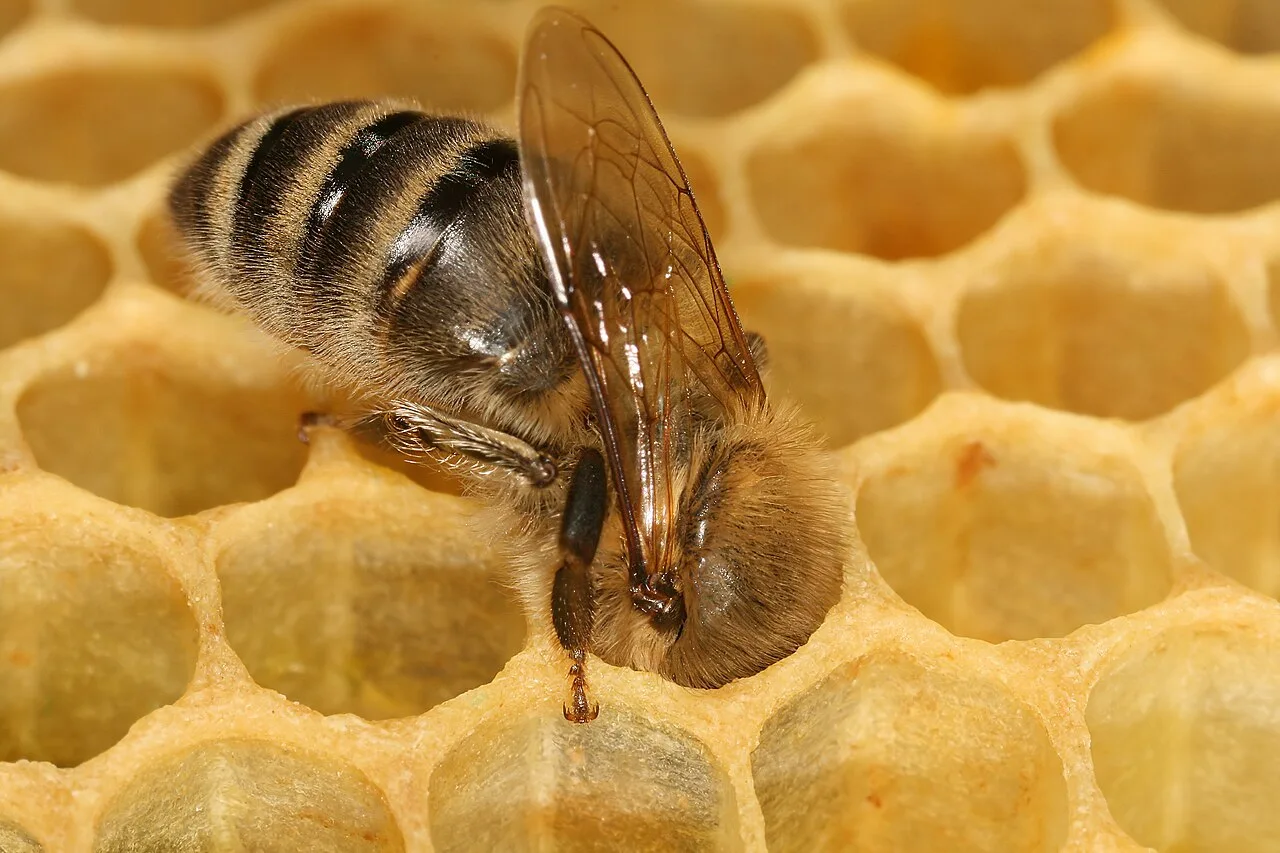
How can a bee give directions without speaking? After finding food, a honeybee returns to its hive and can perform a waggle dance. Its movements tell other bees where to go.
Inside the hive, the bee moves forward while shaking its body from side to side. This straight part of the dance is called the waggle run. The bee then circles back and repeats the movement, returning on the other side.
The angle of the waggle run shows the direction of the food compared with the position of the Sun. On the vertical honeycomb, a run straight upwards means the food is towards the Sun. The longer each waggle run lasts, the farther away the food is.
A dance with two messages
Researchers at the University of Sussex study these dances using video recordings. By measuring the angle and timing each waggle run, they can work out where the bees have found food. The dances help them understand the landscape around the hive.
In one study, bees travelled farther in summer than in spring or autumn. This suggested that suitable food was harder to find in summer in the area studied. However, bees in other places may face different conditions. The same seasonal pattern does not necessarily apply everywhere.
تُضاف كلمات الفقرات التي تقضي وقتًا في قراءتها إلى الكلمات المُشاهَدة مرة لكل نص في اليوم بتوقيت UTC. هذا تقدير للتعرّض للكلمات وليس لفهمها.
المصادر والصورة
كُتبت لمتعلمي الإنجليزية بالاستناد إلى المصادر أدناه.
- University of Sussex LASI: Decoding waggle dances
- Landgraf and colleagues: Dancing Honey Bee Robot Elicits Dance-Following and Recruits Foragers
آخر مراجعة:
الصورة: Richard Bartz and Hubert Seibring · CC BY-SA 2.5 · عُدّل الحجم واقتُصّت الصورة المصغّرة.

اختبر فهمك
مقالات معلوماتية موثّقة. مستويات CEFR تقديرية.