Nie udało się zweryfikować tego żądania AI. Spróbuj ponownie.Przejdź tę weryfikację, aby wygenerować treść.ukryjpokażZamknijŻaden film dokumentalny nie pasuje do tych filtrów.{0} minWszystkieKomediaDokumentDramatFantastykaJedzenie i kulturaHistoriaHorrorPrzyroda i zwierzętaLudzie i pracaRomansNauka i umysłThrillerBez kategoriiUkryj wskazówkiGotoweJak uczyć się z tym filmemZapisz je do naukiNaciśnij + przy tłumaczeniu, aby zapisać słowo i powtórzyć je później. Konto nie jest wymagane.Słowo zostało zapisane. Rozwiąż krótki quiz, a przy następnej wizycie powtórz zapisane słowa.Rozpocznij pierwszą sesję →Zacznij tutajObejrzyj film, przetłumacz słowo w napisach i zapisz je do późniejszej nauki. Możesz zacząć bez konta.Jeden krótki film. Jedno przydatne nowe słowo.Twoja pierwsza sesja naukiPrzetłumacz słowoWłącz film, a następnie kliknij lub dotknij słowa w angielskich napisach, aby je przetłumaczyć. Wybierz język tłumaczenia w oknie.Obejrzyj 30 sekundTwoje postępy są powiązane z tą przeglądarką. Usunięcie danych witryny może spowodować utratę dostępu.Kontynuuj od {0}Kontynuuj oglądanieSłowa gotowe do powtórki: {0}Nie udało się wczytać następnej sesji. Spróbuj ponownie.Wypróbuj film teraz. Konto możesz założyć później.Szukamy kolejnej historii…Twoja kolejna historiaBrak nowych filmów dla tych ustawień. Spróbuj innego poziomu lub gatunku.Historia dopasowana do poziomu i zainteresowańUtrwalaj słownictwoZałóż bezpłatne kontoWróć do miejsca, w którym przerwanoPowtórz zapisane słowaPowtórz słowa zapisane z obejrzanych historii.Zachowaj swoje postępyNie udało się zapisać ustawień. Spróbuj ponownie.Twoje ustawienia zapisano na koncie.Obejrzyj ten filmB2–C1 · ZaawansowanyA1–A2 · PoczątkującyB1–B2 · Średnio zaawansowanyNie znaleziono filmów. Zmień filtr lub sortowanie.Nie udało się wczytać filmów. Spróbuj ponownie.Wczytywanie kolejnych filmów…Brak obrazuWyświetlenia: {0}Obejrzyj {0}Słowa według poziomuŁadowanie…NastępnaZałóż konto lub zaloguj się, aby aktywować korzyści Premium.Uzyskaj wyższe dzienne limity z Premium.Osiągnięto limitZaloguj się, aby wykupić subskrypcjęSubskrybujAutomatyczne napisyAngielskiWyjdź z pełnego ekranuPełny ekranBrak przetłumaczonych napisów do tego filmu.AutomatycznieWybierz język, aby wyświetlić go pod angielskim. Wybierz ponownie, aby go wyłączyć.WyłączoneWybrany język jest niedostępny dla tego filmu. Angielskie napisy pozostają włączone.Język napisówPorównaj Free i Premium →2,99 € miesięcznie lub 19,99 € rocznie, płatne raz w roku.Twórz dziennie do {0} tekstów AI z Twoimi słowami i {1} ilustracji do opowiadań.Ucz się dalej z PremiumUzyskaj więcej tłumaczeń dziennie i twórz więcej tekstów oraz obrazów z AI z własnych słów.PoprzedniaUtwórz bezpłatne konto, aby zachować postępy na różnych urządzeniach.Użyj wszystkich słów przed sprawdzeniem.Pytania w Twoich ćwiczeniach: {0} / {1} · Wszystkie poziomy.Poprawna odpowiedź: {0}Znajdź inny filmSprawdźWybierz poziom i rozpocznij krótki quiz. Ponowne próby zawsze są bezpłatne.Quiz ukończonyDobrze!Nie ma jeszcze pytań na tym poziomie. Spróbuj innego.Nie udało się zapisać odpowiedzi. Spróbuj ponownie.Sugerowany poziom: {0}Pierwsza próba: {0} / {1}Przeczytaj napis (podpowiedź)Nie całkiem. Spróbuj ponownie.Nie udało się wczytać quizu.Wczytywanie quizu…Wpisz brakujące słowa…Przejrzyj błędyPrzećwicz kolejne {0}Brak nowych pytań na tym poziomie. Wypróbuj inny poziom lub powtórz pytania.W Twoich ćwiczeniach nie ma pytań na tym poziomie. Wybierz Wszystkie poziomy, aby je powtórzyć.Klikaj słowa, aby ułożyć zdanie.Pytanie {0} / {1} · Poprawne: {2}Pytanie {0}Odtwórz scenę · {0}Spróbuj ponownie odpowiedziećSpróbuj ponowniePoziom: {0}Runda {0}Runda ukończonaOstatnie odpowiedzi: {0} / {1} poprawnychRozpocznij quiz: {0} pytańNajlepsza odpowiedźRozumienie scenyBrakujące słowoUzupełnij lukęZnaczenieTo samo znaczenieKolejność słówPonowniePonownie ustawia powtórkę na dzisiaj. Otwórz ponownie naukę słów, aby powtórzyć to słowo.Powtórka zakończona! Słowa ocenione jako Ponownie nadal są do powtórzenia dzisiaj. Otwórz Nauka słów, gdy zechcesz kontynuować.ŁatweZapisz słowo z napisów lub dodaj własne powyżej, aby zacząć ćwiczyć.TrudneNie udało się wczytać słów. Wybierz ponownie Nauka słów.Przygotowujemy Twoje słowa…ŚrednieNastępna powtórkaTeraz nie ma słów do powtórzenia. Wróć później lub zapisz nowe słowo do nauki.Nie udało się zapisać oceny. Spróbuj ponownie.Nauka słówDzisiajNie udało się zaktualizować liczby słów. Otwórz ponownie podsumowanie sesji.Załóż bezpłatne konto, aby zapisywać słowa i śledzić postępy.Obejrzane minuty: {0}Poćwicz z quizem do tego filmuZapisywanie słownictwa…Twoja sesja oglądaniaZobacz swoje słownictwoNowo napotkane słowa: {0}Poćwicz ponownieDźwięk jest niedostępny w tej przeglądarce.Przeglądaj zestawy słówek według tematówSprawdź odpowiedźAngielski na co dzień{0} słów i wyrażeń · {1} tematówDobra robota!Jakie angielskie słowo pasuje?Pokaż odpowiedźWpisz angielskie słowoRunda ukończona!FiszkiPokaż znaczenieZgadnijPostęp jest zapisany w tej przeglądarce. Zaloguj się, aby zachować go na innych urządzeniach; usunięcie danych witryny może usunąć dostęp.Odsłoń literęPodpowiedź literowa: {0}Trochę praktyki codziennego angielskiego. Wybierz temat i spróbuj przypomnieć sobie słowo.Włącz JavaScript, aby ćwiczyć te zestawy słówek.ZaawansowanyWszystkie poziomyPoczątkującyŚrednio zaawansowanyTrudnośćOrientacyjna trudność ćwiczeń; poszczególne słowa i filmy mogą być łatwiejsze lub trudniejsze.PosłuchajNie udało się wczytać zestawów. Spróbuj ponownie.Tryb ćwiczeniaNastępne słowo →Następna rundaNastępny temat →Karta {0} z {1}Ćwiczenie słówekPrzećwiczono: {0} / {1}Różne słowa przećwiczone w tym temaciePostęp liczy różne przećwiczone słowa. Podpowiedzi i odsłonięte odpowiedzi liczą się jako ćwiczenie, a nie samodzielne przypomnienie.Pamiętasz znaczenie?PamiętamPoćwicz ten temat ponownieSpróbuj ponownieWróć później, aby sprawdzić, co pamiętasz. Przećwiczenie nie oznacza opanowania.Przeczytaj odpowiedź i przykład. Możesz zapisać to słowo do powtórki.Słowa na rundęZapisz do powtórekNie udało się zapisać. Spróbuj ponownie.Zapisano ✓Dodano do zapisanych słówek z angielskim znaczeniem i przykładem.W tej rundzie oznaczono {0} z {1} słów jako zapamiętane.W tej rundzie przypomniano sobie {0} z {1} słów bez podpowiedzi i ponownych prób.Zestawy słówekCodzienne czynnościZwierzęta i dzika przyrodaPrzyroda i środowiskoRodzina i ludzieUczucia i osobowośćJedzenie i napojeZdrowie i ciałoDom i codziennośćOpinie i decyzjePopularne czasowniki frazoweRelacje i rozmowySzkoła i naukaNauka i kosmosZakupy i pieniądzeWiadomości i społeczeństwoFilmy i opowiadanie historiiTechnologia i internetPodróże i transportPogoda i pory rokuPraca i zawodyWybierz tematKontynuuj naukę z filmem związanym z tym tematem.Poćwicz, a potem obejrzyjPoprawnie, z małą pomocą. Spróbuj przypomnieć sobie to słowo później.Jeszcze nie. Spróbuj ponownie, odsłoń literę lub pokaż odpowiedź.Nagranie quizu LearnMovies z odpowiedziami i informacją zwrotnąNagranie tłumaczenia napisów i zapisywania słowa w LearnMoviesSprawdź rozumienie, odpowiadając na pytania o film.Naciśnij + przy tłumaczeniu, aby zapisać słowo i powtórzyć je później. Konto nie jest wymagane.Wstrzymaj pokazWstrzymaj animację demonstracyjnąWstrzymana prezentacja produktuOdtwórz pokazOdtwórz animację demonstracyjnąPodstawowe słownictwo · Angielskie napisyPokaż wszystkie krokiWstrzymaj przewodnikOdtwórz przewodnikKrok {0} z {1}Dobrze.Niezupełnie.Poprawne odpowiedzi: {0} z {1}.Continue to Saved WordsThat word is already saved. Choose another word from the text for this tour.Check answerClose tourTour completeContinue to reviewCzytaj dalejTa scena jest wstrzymana. Najedź na „worried” lub inne słowo w napisach albo je dotknij. Wybierz język tłumaczenia, jeśli pojawi się pytanie.Wypróbuj samouczek1 · Wypróbuj słowoDoneRead, translate, save and review. Use word packs or AI texts whenever you want more practice with your words.You have a learning routineWelcome bonus earned: +50 XP, plus your review XP.Could not start the tour. Try again.Finish tourContinue on the practice pageTry a short guided reading exercise.Learn your first wordMaybe laterOpen Saved Words to try recalling its meaning. We will put your new word first in the review queue.Open Saved Words →Your word is savedOptional · AI practiceOptional · Quick questionGet a word pack with example sentences and a dialogue. A new pack uses your daily allowance; an existing pack can be opened again. You can skip this step.Read how the word is used in sentences and a dialogue. You can also open the exercises. Continue when you are ready to rate your recall.Explore the examplesSee your word in contextTry one question about the text. A correct first attempt earns +10 XP. You can skip it and still complete the tour.Try one questionRead the explanation, then continue to practise your saved word.Learn from the answerCheck what you understoodChoose Again, Hard, Medium or Easy honestly. The times show when you will review it again. Every rating earns the same review XP.How well did you remember?Read a few lines. Click a word you would like to learn; the highlighted word is a suggestion. Choose your translation language if asked.Read, then choose a wordResume tourWhat does this word mean? Think of the answer, then reveal the translation to check yourself.Try to remember firstComplete this saved-word review for a one-time +50 XP welcome bonus—enough to reach Level 2.Read the translation, then press Save to practise. It will keep the word and its sentence in Saved Words.Keep this wordShow me howSkip AI stepSkip questionSkip tourTake a quick tour3 · Practise1 · Read2 · Save1 · WatchPress Study words. Your saved word comes first.Start a real reviewWatch a short scene, then hover over or tap an English subtitle word to translate it. If no words appear, use the subtitle menu to turn on English. Choose your translation language if asked.Try a subtitle wordChoose your words, level, topic and format, then press Generate my text. This uses your daily text allowance. A selected picture also uses your picture allowance. Nothing is generated until you press the button.You have completed a real word review. Now you can create an AI text from your saved words, or finish the tour here.Create something with your wordsMake a text you want to readWatch, translate, save and review. Use word packs or AI texts whenever you want more practice with your words.Read the translation, then press the + button in the popup. This saves the word and its subtitle sentence for practice.Press Watch now, or choose an episode. If the player is already open, press its play button. You stay on this video throughout the first steps.Start a videoObejrzyj filmNie udało się zweryfikować prośby o tłumaczenie. Spróbuj ponownie.Dokończ weryfikację, aby uzyskać tłumaczenie.Nie terazWybierz językUżywaj tego języka do tłumaczenia słów i automatycznych drugich napisów, gdy są dostępne.Język tłumaczeniaMożesz zmienić go później. Język strony pozostanie bez zmian.Zapisz wybórW jakim języku chcesz widzieć tłumaczenia?Język stronyBrak słów na tym poziomie. Obejrzyj film lub przeczytaj tekst z biblioteki.Wystąpienia: {0} · Filmy / odcinki: {1}Nie udało się zapisać lub wczytać słownictwa. Spróbuj ponownie.Szacowany poziom {0}Poziom sugerowany na podstawie użycia; niepotwierdzony osobno w źródle CEFR.Często napotykaneUkryj tłumaczenieZnam to słowoZnam to słowo: {0}{0}: napotkane {1}, częste {2}, zapamiętane {3} z {4} słów na liście. Przeglądaj słowa.{0} · Wczytano stronę {1} z {2}.Wczytywanie wystąpień…Ładowanie tłumaczenia…Wczytywanie słów…{0} — oznaczono jako zapamiętane.Wczytaj więcej wystąpieńBrak dostępnych wystąpień.Otwórz zapisane słowa →Strona {0}Akapit {0} · {1}Posłuchaj wymowy{0}–{1} z {2} słów · Strona {3} z {4}Czytaj {0} w {1}, akapit {2}ZapamiętanePonów wczytywanie wystąpieńPonów tłumaczenieNie udało się zapisać słowa. Spróbuj ponownie.Zapisz do ćwiczeńPostępy zapisane.Zapisano do ćwiczeńSzukaj językaWybierz językSesja wygasła. Zaloguj się ponownie, aby zobaczyć słownictwo.Pokaż tłumaczenieSpotkania: {0} · Filmy / teksty: {1}Zacznij poznawać słowa z kolejnym filmem lub tekstem.Pokaż tłumaczenie słowa {0}Nie udało się wczytać tłumaczenia. Spróbuj ponownie.Osiągnięto dzienny limit tłumaczeń. Spróbuj jutro.Pozostało {0} z {1} tłumaczeń na dziśCofnijUsuń oznaczenie zapamiętanego słowa {0}{0} — usunięto oznaczenie zapamiętania.Zobacz słowo {0} w filmie {1} w momencie {2}Twoje słowaDodaj słowoWpisz angielskie słowo. Przetłumaczymy je na wybrany język; tłumaczenie możesz edytować.ZmieńDodaj angielskie słowo, jego tłumaczenie lub znaczenie i opcjonalnie przykładowe zdanie.Język tłumaczeniaPrzykładowe zdanie (opcjonalnie)Tłumaczenie lub znaczenieSłowo angielskieWszystkie awatary odblokowane!ReżyserWesoły popcornZiarenkoKinomanMiłośnik książekPierwszy trzaskWybierz awatarBonus dzienny +15Zdobyty bonus dzienny · +15 XPWybierz awatarZamknij{0}/5 ćwiczeń · +15 XP bonusu dziennego+{0} XPNie udało się zaktualizować postępów. Spróbuj ponownie.Bezpłatne dla wszystkich. Premium nie zwiększa XP.Poziom {0}Osiągasz poziom {0}!Odblokowanie na poziomie {0}Poziomy aktywności pokazują regularność ćwiczeń. Są niezależne od poziomu angielskiego A1–C2.Następny awatar: {0} · Poziom {1}Następna powtórka z XP: {0}Postęp do kolejnego poziomu aktywności{0} XP do poziomu {1}Za pytanie otrzymujesz XP tylko raz. Słówka dają XP ponownie, gdy nadejdzie termin powtórki; kolejne powtórki tego samego dnia nie dają punktów. Dodawanie słówek, oznaczanie ich jako znane i generowanie treści AI nie daje XP.Ukończ pięć różnych ćwiczeń dziennie: +15 XP. Nowy dzień zaczyna się o północy UTC.Poprawna odpowiedź w Zgadnij: +10 XP lub +5 z podpowiedzią litery.Poprawna odpowiedź na pytanie o film lub opowiadanie za pierwszym razem: +10 XP.Zaplanowana powtórka fiszki: +3 XP za każdą ocenę, także Jeszcze raz. Oceniaj szczerze.Jak zdobywać XPWybranoTwoja popcornowa przygodaŁącznie {0} XPPrzeczytaj ponownieZrównoważony · 95%Trwa generowanie tekstu lub wskazówek. Poczekaj.Wymagający · 90%Sprawdź zdanieUtwórz opowieść z moich słówWłasny tematWłasne proporcjeUsuńUsunąć tekst i jego historię czytania? Dzienny limit generowania nie zostanie odnowiony.Tekst usunięty.DialogZa łatwyTutaj pojawi się Twoja pierwsza opowieść.Nie udało się wykonać żądania. Sprawdź połączenie i ustawienia, a następnie spróbuj ponownie.Szacunek na podstawie zapamiętanych słów i słownictwa na Twoim poziomie. Zobaczyć słowo nie znaczy je znać. Wynikowe proporcje mogą się różnić.Życie codzienneSzacowany udział znanych słówOdpowiedź dostosuje udział znanych słów w następnym tekście.Zapisano. Następny tekst użyje nowych ustawień słownictwa.FormaWygeneruj mój tekstTworzenie tekstu lub wskazówek…Generowanie nie powiodło się. Limit udanych generowań nie został zużyty. Spróbuj ponownie.Za trudnyJaki był ten tekst?Dodaj ilustracjęDostępne dziś ilustracje: {0} z {1}. Tekst będzie gotowy wcześniej.Ilustracja do {0}Ilustracja wygenerowana przez AI · zapisana z opowiadaniemSprawdź ilustracjęNie udało się utworzyć ilustracji. Opowiadanie jest zapisane i gotowe do czytania.Na dziś nie ma już dostępnych ilustracji. Nadal możesz czytać i tworzyć teksty.Nie udało się wczytać zapisanej ilustracji. Spróbuj ponownie.Tworzymy ilustrację… W tym czasie możesz czytać i tłumaczyć słowa.Spróbuj ponownie utworzyć ilustracjęIlustracje są chwilowo niedostępne. Nadal możesz utworzyć tekst.Dodaj ilustracjęZamień słowa z oglądanych filmów we własną opowieść.DługośćPoziom docelowyZapisane tekstyOsiągnięto dzienny limit generowania. Nadal możesz czytać zapisane teksty.Długi · około 400 słówDodawaj po jednym angielskim słowie. Możesz też edytować wybrane słowa powyżej.Wpisz jedno angielskie słowo do 48 liter. Możesz używać apostrofów i łączników.Oznacz sekcję jako przeczytanąŚredni · około 200 słówGłównie znane · 98%PrzyrodaNastępneTekst jest niedostępny lub został usunięty.Więcej opcjiWięcej propozycjiSpróbuj użyć słowaDziś dostępne sprawdzenia zdań: {0}Twoje słowa do ćwiczeniaPoprzednieZapisane w prywatnej bibliotece. Fikcja tworzona przez AI; poziom i znajomość słownictwa są szacunkowe.Przeczytane sekcje: {0} z {1}Dziś dostępne teksty: {0} z {1}Najpierw przeczytaj i oznacz sekcję zawierającą to słowo.Z moich filmówW sam razZapisano w Twojej prywatnej bibliotece.Nie ma jeszcze zapisanych słów do ćwiczenia. Dodaj je w Zapisanych słowach lub wpisz powyżej.Wyświetlamy zapisane słowa ze wszystkich poziomów, poza oznaczonymi jako dobrze znane w Zapisanych słowach. Wybrany poziom określa trudność tekstu.NaukaSekcja przeczytanaNapisz własne zdanieSesja wygasła. Zaloguj się ponownie.Krótki · około 100 słówZ Twoich lekturZapisane do ćwiczeniaWidziane w filmach lub tekstachPropozycja dla tego poziomuZapisane teksty: {0} · ukończone: {1} · słowa napotkane podczas czytania: {2}OpowieśćPoziom {0} · {1} słów · szacowana znajomość słownictwa: {2}% (wybrano {3}%)Moje lekturyTematPrzetłumacz: {0}Wybierz słowo, aby je przetłumaczyć lub zapisać. Oznaczaj przeczytane sekcje, aby zachować postęp.PodróżePoziom nieokreślonyDodano {0} do wybranych słów.Wybierz do 8 angielskich słów, oddzielonych przecinkami. Każda pozycja powinna zawierać jedno słowo.Wybierz propozycje lub je zastąp. Zapisane słowa mają pierwszeństwo; słowa z filmów możesz już znać.Słowa do ćwiczenia · do 8, oddzielonych przecinkami
Dotknij słowa, aby je przetłumaczyć i zapisać do ćwiczeń.
The article announcing my return described the village as the place I had escaped. I had supplied neither the verb nor an objection to it. Escape made a serviceable opening, and by the time I read the proof I had acquired the deadline-conscious belief that correcting a flattering distortion was an indulgence.
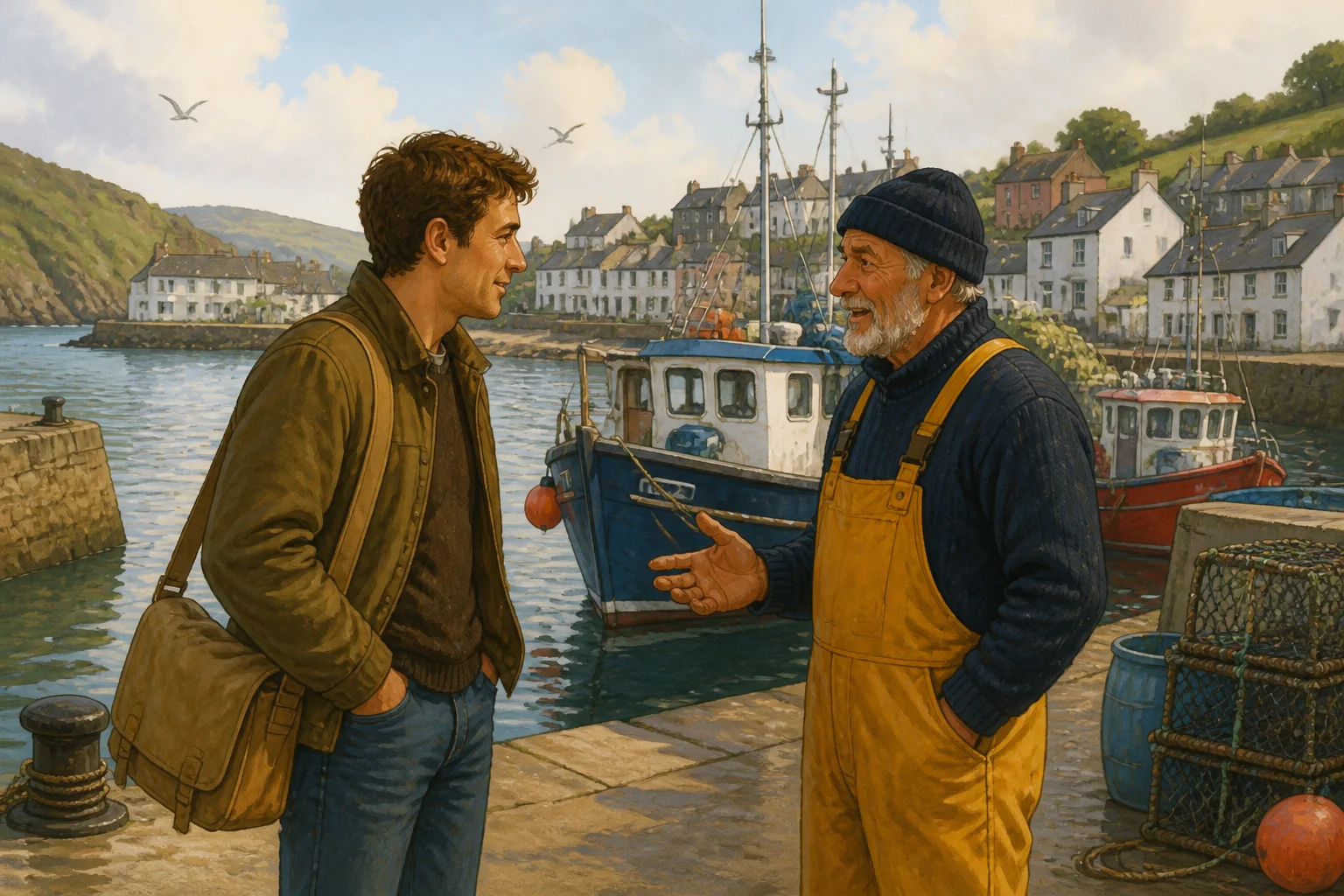
At the harbour, a former neighbour asked what exactly I had escaped from. He spoke lightly enough to permit a light reply. I mentioned the buses, which stopped running before anything interesting began, and he laughed.
It was not untrue. It was merely too small to carry the meaning I had allowed it to acquire.
I had left because I was impatient, because I wanted work unavailable there, because being known could feel like being permanently described. I had returned because a commission required photographs of the coast and because my mother had moved inland. Neither movement constituted a verdict on everyone who stayed.
Over the next fortnight, residents offered me stories about changes in the village. I noticed how readily I selected those that supported decline: a boarded shop, a cancelled festival, the absence of someone I remembered. A new workshop and a thriving evening class fitted less elegantly into the account already forming in my head.
I asked the editor to change the opening. He suggested "homecoming", which was kinder and no more accurate. We settled on a sentence saying when I had arrived.
The finished article was less dramatic than the first draft. My neighbour said he recognised the village in it, though not every detail. I found myself oddly relieved by that reservation. Recognition, unlike possession, could apparently survive disagreement.
Słowa z czytanych akapitów trafiają do Widzianych raz na tekst dziennie (UTC). To szacunek kontaktu ze słowem, a nie jego zrozumienia.
Sprawdź zrozumienie
Oryginalna fikcja stworzona z pomocą AI. Poziomy CEFR są orientacyjne.
Osiągnięto limit
2,99 € miesięcznie lub 19,99 € rocznie, płatne raz w roku.
Zaloguj się, aby wykupić subskrypcję
Załóż konto lub zaloguj się, aby aktywować korzyści Premium.