
The Street with Several Names
แตะคำเพื่อแปลและบันทึกไว้ฝึกฝน
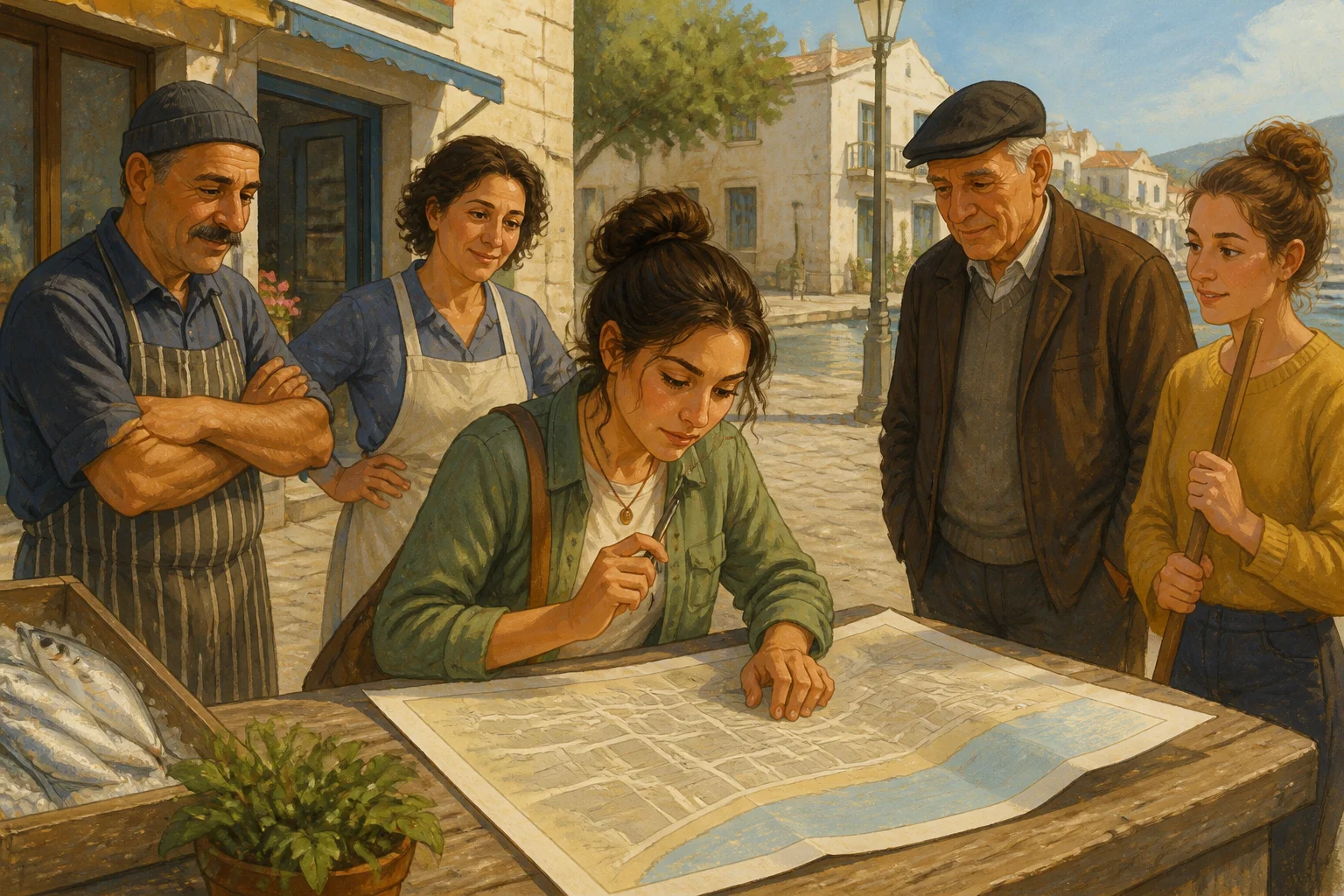
The new walking guide required a single name for every street. Mara understood the practical reason: visitors needed labels that matched the signs. Problems began when she interviewed residents of a narrow lane officially called Harbour Street.
Older residents still called it the Steps, although the steps had been removed before Mara was born. Shopkeepers used Harbour Street. A group of teenagers referred to it by the name of a takeaway that had closed the previous winter.
The designer suggested choosing the official version and putting the alternatives in a footnote. Mara agreed until one interviewee pointed out that the footnote contained nearly everything that made the lane interesting.
She considered giving all three names equal space. That, too, would imply more certainty than she possessed. Not everyone recognised every name, and people disagreed about when each had been common.
In the final guide, the heading followed the street sign. Beneath it, three short accounts explained who used the other names and why. Mara avoided presenting any of them as the lane's one authentic identity.
The publisher worried that the page was becoming too complicated for a simple walk. On a trial visit, however, readers used the official name to find the lane and the accounts to notice what was no longer visible.
One teenager objected that nobody called it by the takeaway's name any more. Mara added the date of his interview. A guide could help people find a place, she thought, without pretending to finish naming it.
คำในย่อหน้าที่คุณใช้เวลาอ่านจะถูกเพิ่มในคำที่เคยเห็น หนึ่งครั้งต่อข้อความต่อวัน UTC เป็นการประมาณการพบคำ ไม่ใช่ความเข้าใจ
ตรวจสอบความเข้าใจ
เรื่องแต่งต้นฉบับที่สร้างโดยมี AI ช่วย ระดับ CEFR เป็นค่าประมาณ