
Memory Is Not a Recording
اضغط على كلمة لترجمتها وحفظها للتدريب.
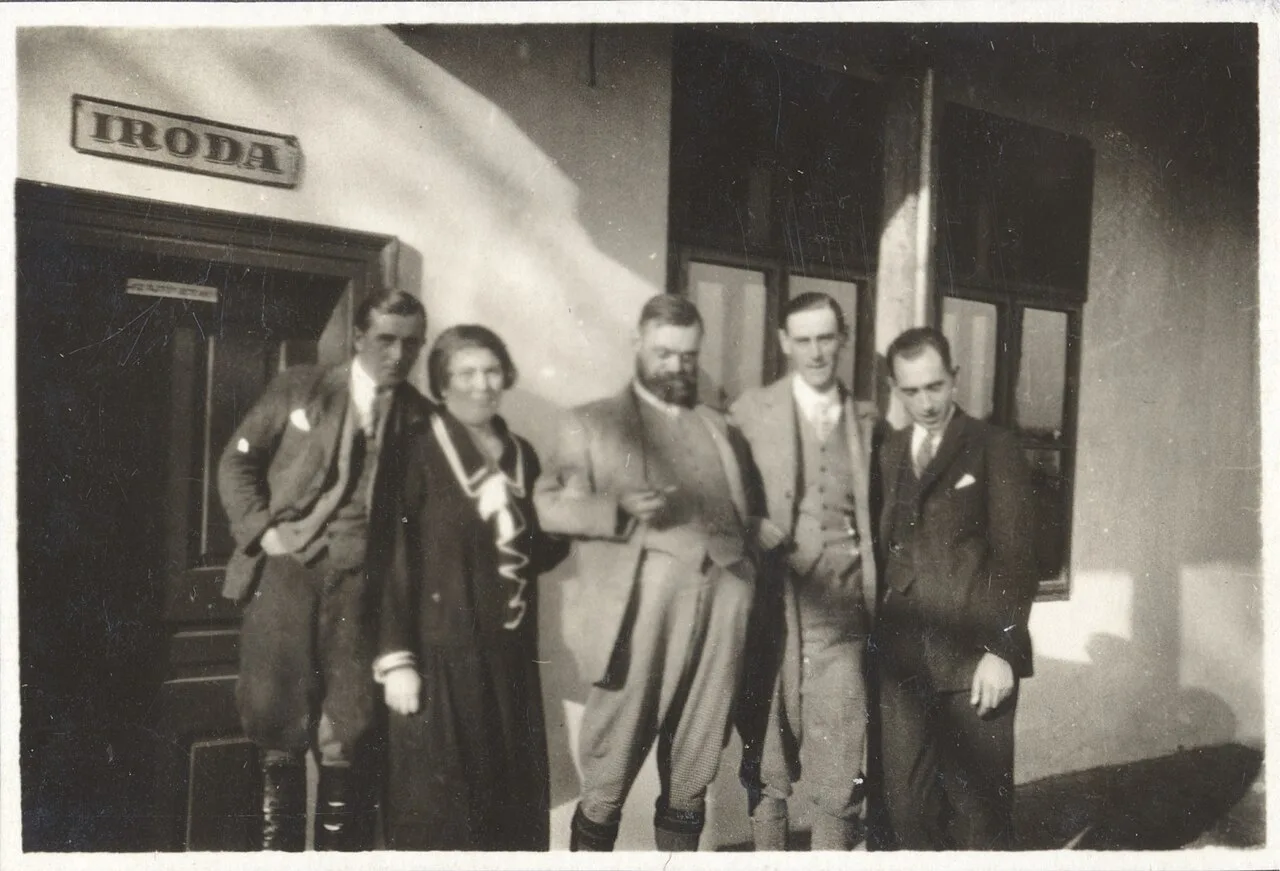
Two people leave the same dinner with slightly different accounts of what happened. One recalls a comment before the food arrived; the other places it afterwards. It is tempting to assume that one person has simply failed to retrieve an intact recording. Memory, however, does not work quite like a video archive.
Research discussed by psychologist Daniel Schacter describes remembering as a constructive process. We draw on elements of experience and on expectations shaped by familiar situations. Those expectations are useful: they help us make sense of events without treating every detail as entirely new. Yet they can also fill gaps with something plausible rather than something that occurred.
The flexibility involved is not merely a defect. Some of the same processes that allow us to reconstruct the past help us imagine possible futures. A system capable of recombining experience can be useful even when it does not preserve every detail faithfully.
This does not make all recollection worthless. It changes the question we should ask. Instead of treating a memory as a sealed container, we can consider how it was assembled, which details have support, and where an expectation may have quietly supplied the missing piece.
تُضاف كلمات الفقرات التي تقضي وقتًا في قراءتها إلى الكلمات المُشاهَدة مرة لكل نص في اليوم بتوقيت UTC. هذا تقدير للتعرّض للكلمات وليس لفهمها.
المصادر والصورة
كُتبت لمتعلمي الإنجليزية بالاستناد إلى المصادر أدناه.
آخر مراجعة:
الصورة: Unknown photographer; Wikimedia Commons · Public domain · عُدّل الحجم واقتُصّت الصورة المصغّرة.

اختبر فهمك
مقالات معلوماتية موثّقة. مستويات CEFR تقديرية.